April Showers: Moisture Protection With Ear Gear
April Showers
Moisture Protection With Ear Gear
As Spring takes hold and people start to spend more time outdoors, whether in the garden or elsewhere, one thing becomes more and more noticeable—moisture! Sometimes it takes the form of increased precipitation, or rising humidity, or even just the occasional splash from the sprinkler out on the front lawn. While all this moisture might not warrant a second thought from many people, for hearing device users moisture can be a regular frustration. Moisture is a major concern for hearing device users, and hearing professionals see this regularly, with increased servicing required for maintaining or even replacing devices that have been damaged from moisture exposure.
What are the problems that can be caused by moisture?
The effects of moisture on a hearing device can be wide ranging, and they are never ideal. Regardless of if it is water that has found its way into the internal workings of a device, or something like sweat, personal care products, even wet ear wax or skin oils, moisture can pose a significant risk.
Corrosion of electronic components, including batteries and circuitry, is often a result seen from long term or repeat exposure to moisture, and may be identified by a white powdery or rust coloured residue. Electrical shorts are another common outcome. The universal nature of this problem is why damage from moisture is a leading reason for hearing device repair and servicing.
What are some signs of moisture damage?
While it is not always obvious that there has been damage, there are often tell tale signs of moisture in a hearing device. Many devices users mention sound quality concerns such as a muffled or fuzzy quality, often paired with static-like crackling. Sometimes functionality may cut out entirely, in sporadic bursts.
Battery longevity can also be impacted, so even if a device user does not notice differences in audio quality, having an obvious change to the device’s battery life could be an indicator that something is wrong and that their devices should be serviced by a professional.
What can be done if a device accidentally gets wet?
While hearing devices should not be exposed unnecessarily to moisture, we all know that some exposure is inevitable in the course of everyday life. What’s more, the developers of hearing devices build them with everyday life in mind, and the technology for water-resistance is always improving. This doesn’t mean they can be worn in the shower or for a swim, but it does mean that there may be some steps device users can take to minimize the damage should their devices get wet accidentally.
First, and possibly most importantly, they shouldn't panic. They are definitely not alone—as any hearing professional can attest, this has happened to many other hearing device users before them, especially those who are new to using hearing devices and have not yet fully adjusted to doing so! In order to try to preserve their devices and minimize potential damage these are the immediate steps they should follow in case of direct water exposure:
Turn off the affected devices immediately.
Remove the battery if possible, or disconnect devices from their charger or power supply.
Dry* the exterior of the devices with an absorbent lint-free cloth, and leave them out in a well ventilated space to air-dry, with the battery door open if applicable. Ideally, they should be left to dry for 48 hours. Alternatively, place the affected devices in a sealed jar for 24 hours with some uncooked rice, as the rice will help to draw out moisture.
Once the devices have had adequate time to dry, they should be tested by inserting new batteries and turning them on. If they do not function, or function inadequately, it’s time to seek the assistance of a professional.
*A hair dryer, microwave, or other heating device should never be used to try to dry out devices faster. The damage this may cause can leave hearing devices in an even worse state.
How can moisture be prevented from damaging hearing devices in the first place?
As the saying goes, an ounce of prevention is worth a pound of cure! One of the most reliable methods of moisture damage prevention is Ear Gear’s protection.
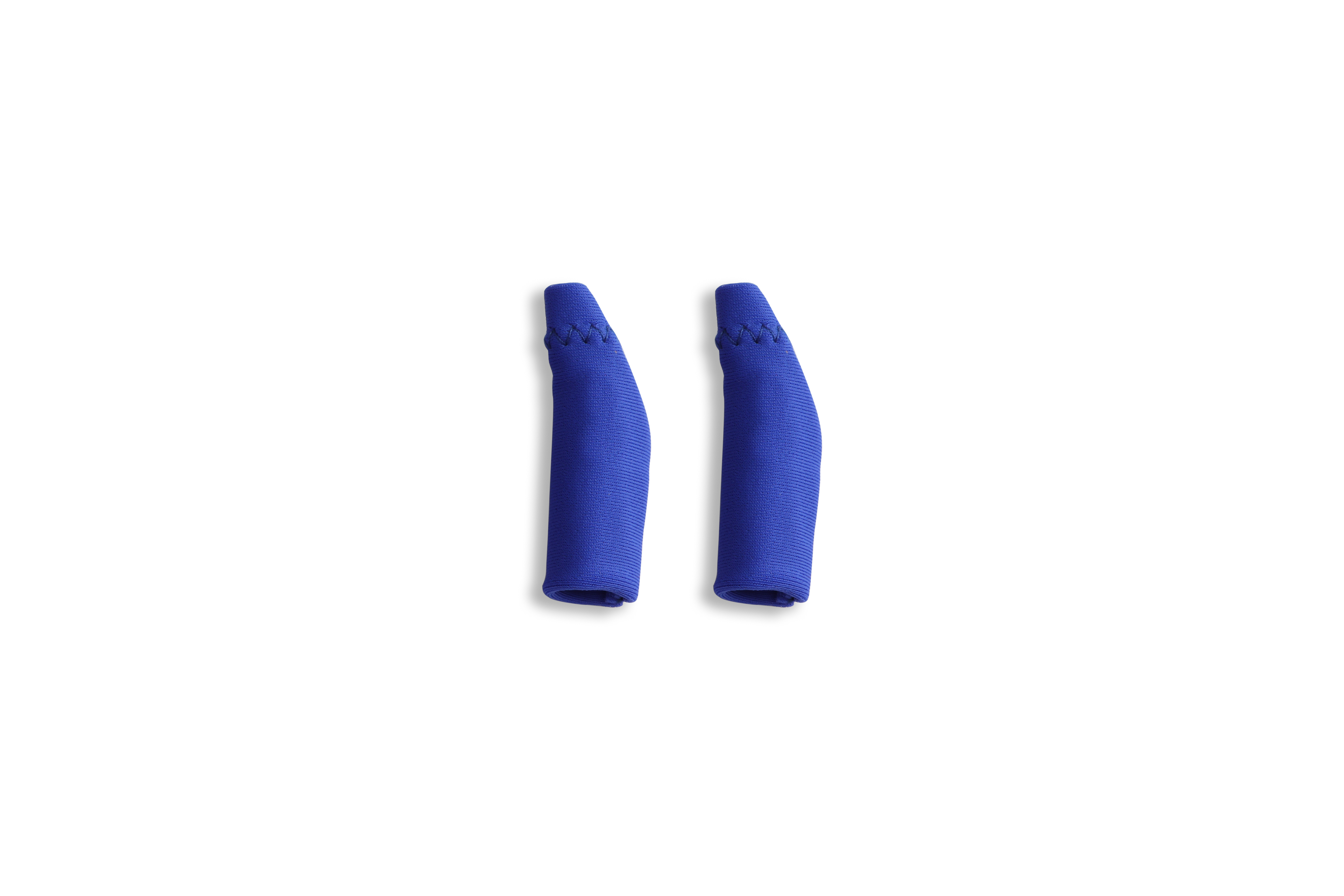
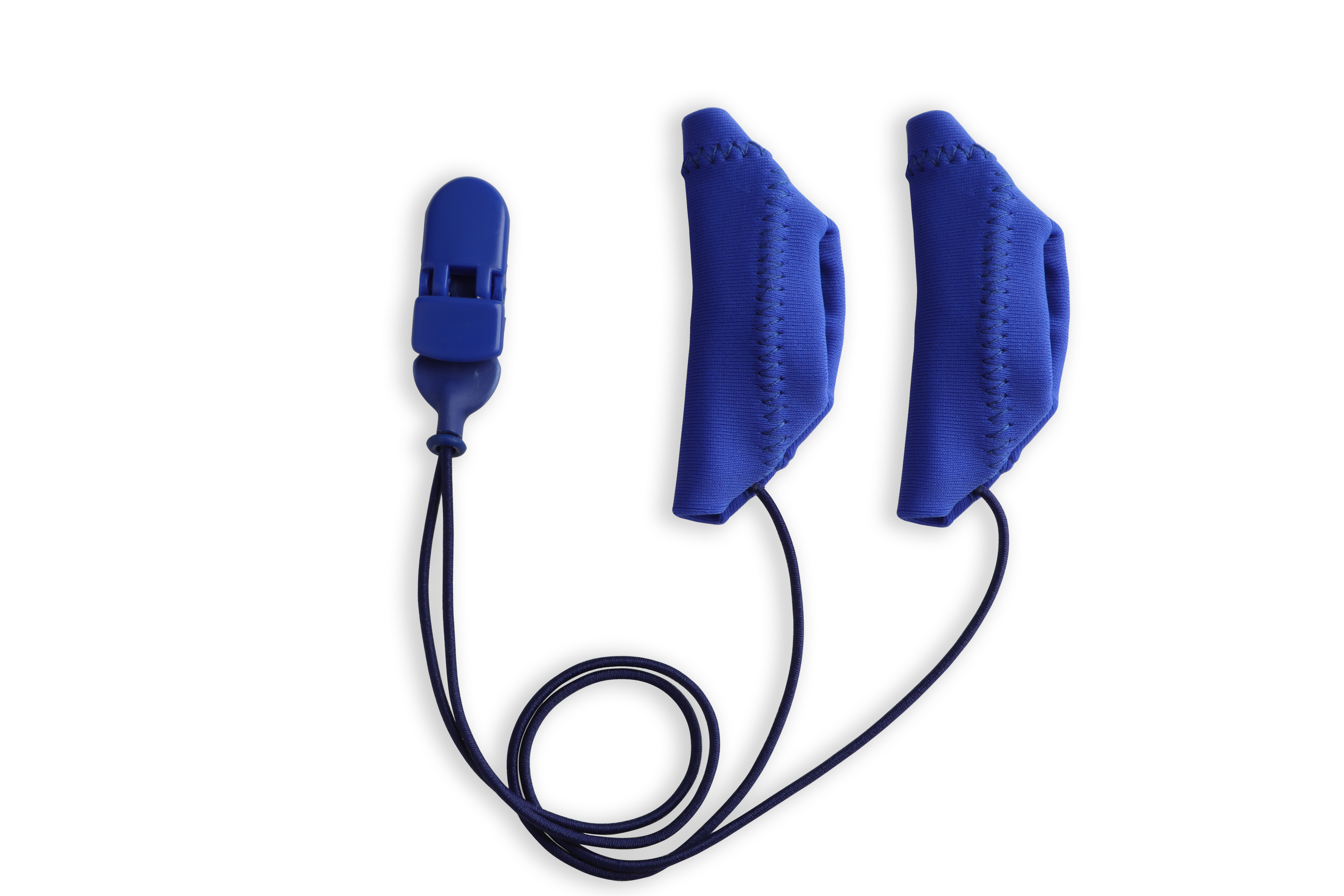
Ear Gear is an absorbent double-layered fabric sleeve that successfully keeps moisture of all kinds from infiltrating hearing devices. Sweat from exercise, rainfall, humidity, and more is absorbed directly into the fabric instead of permeating into the inner workings of sensitive hearing instruments.
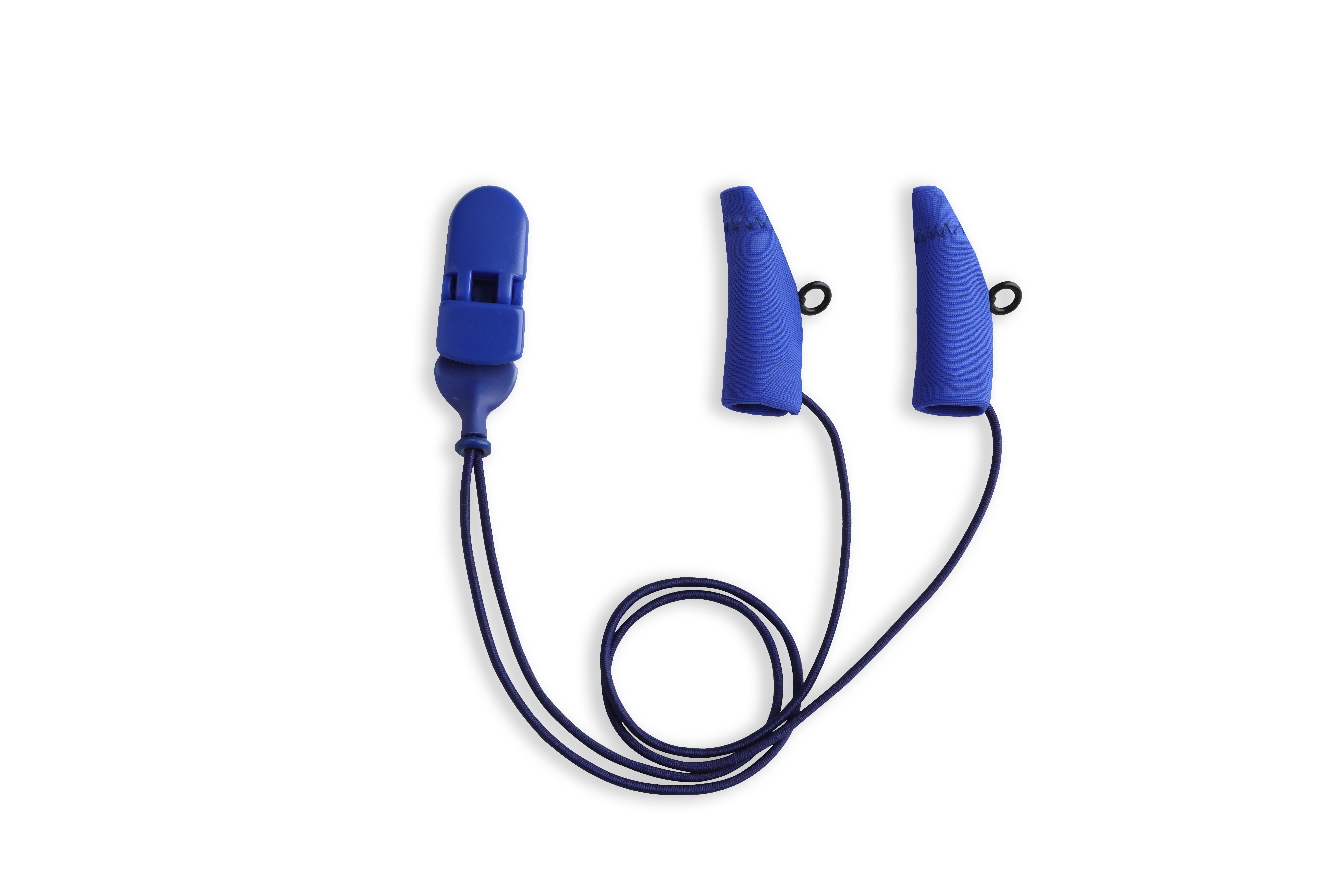
Once the Ear Gear sleeve has become saturated from moisture exposure, it’s as simple as removing the sleeve and replacing a new, dry Ear Gear sleeve onto the device—protection for hearing devices and peace of mind for hearing device users!
In addition to having help from Ear Gear, here are some other ways that moisture risk to hearing devices can be mitigated:
Ensure that hearing devices are properly stored in a dry place and ideally inside a protective case. Avoid any damp spots like near the bathroom sink, or high risk zones like beside a cup of water on the nightstand.
Regular cleaning and maintenance of hearing devices with soft cloths and brushes, tools that hearing professionals can make available to hearing device users.
If a hearing device user has particular concerns about moisture exposure, they can speak to their audiologist for professional advice on water-resistant hearing device models that may be available.
In a particularly humid environment, a hearing device dryer may be a good fit. They are developed specifically with hearing devices in mind and can help maintain them for the best possible longevity.