
Protecting the Investment: Reducing Hearing Aid Damage in Your Practice
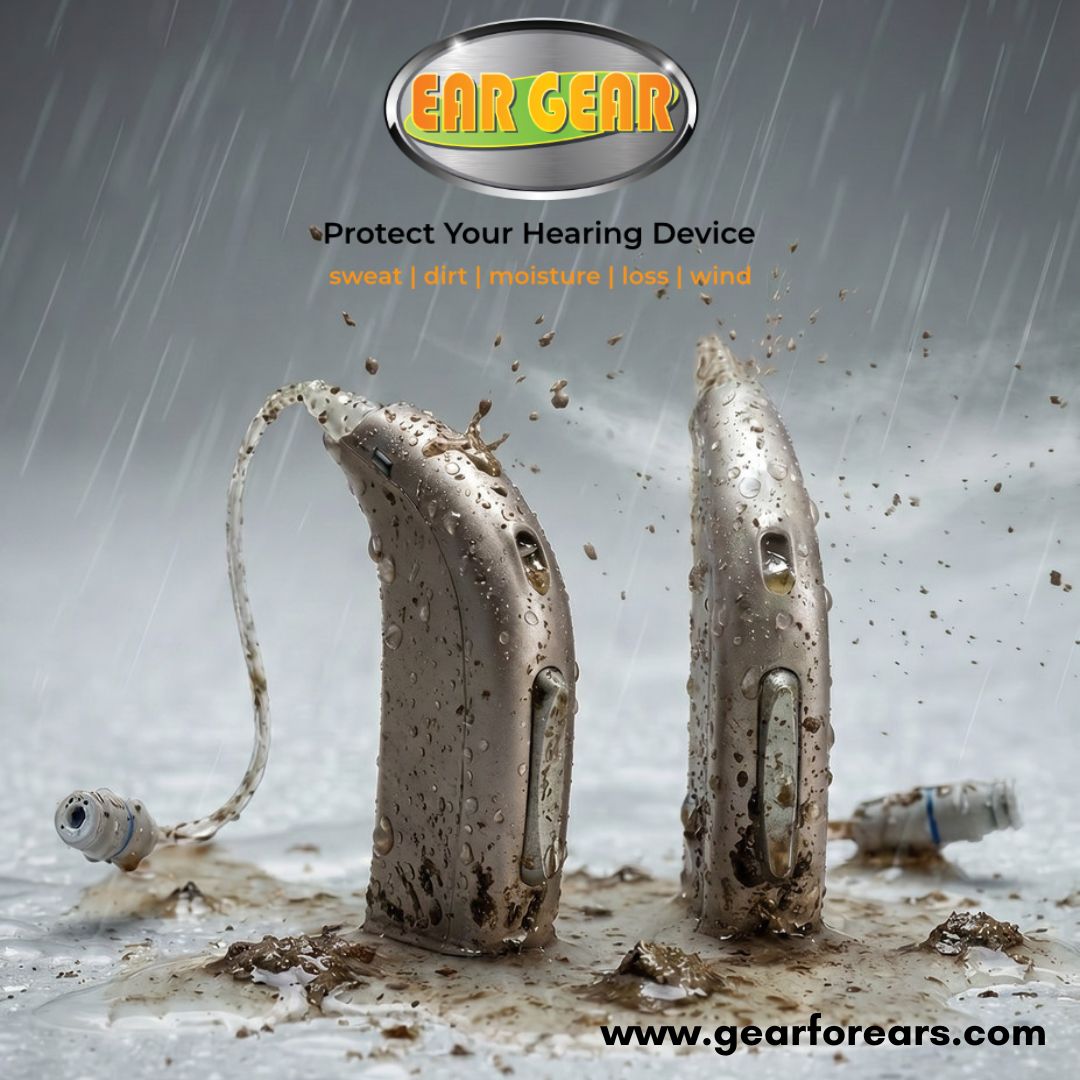
Protect your patients hearing devices from dirt, sweat, moisture, loss and wind.
Your patients trust you with one of the most expensive devices they wear every day. According to the latest HearingTracker survey of more than 1,100 buyers, the average price paid for a pair of hearing aids in 2026 is $2,694, with prices ranging from $20 for basic over-the-counter models to more than $8,500 for premium prescription pairs. For patients buying through traditional clinics without insurance, the average is closer to $4,727 a pair. That investment is real — and so is the steady stream of damaged devices coming back through your clinic doors.
A Growing Market, A Fragile Product
U.S. prescription hearing aid sales crossed the 5-million-unit mark for the first time in 2023 (HearingTracker), and global trade data shows continued growth into 2024 (EHIMA). The World Health Organization projects nearly 2.5 billion people will be living with some degree of hearing loss by 2050 (WHO). More devices in more ears means more sweat, more humidity, more pets, and more accidents — all landing on your bench.
Most prescription hearing aids are designed to last three to seven years, with five being a realistic average. Damage shortens that timeline dramatically — and every premature replacement is a conversation you have to have with a frustrated patient.
The Top Threats You See Every Week
Moisture and sweat. The number one culprit. Perspiration from a walk, summer humidity, and condensation when patients come in from the cold all seep into microphone ports and corrode internal components. RIC and ITC styles are especially vulnerable, and active patients are the ones most likely to need rework.
Heat. A device left on a sunny dashboard, a windowsill, or near a heat vent can warp or crack in a single afternoon. These are the cases where patients arrive convinced the device "just stopped working."
Cerumen. Wax quietly clogs receivers and microphones between visits. Without consistent home cleaning and timely wax-guard changes, sound quality degrades and repair traffic climbs.
Pets. Dogs are drawn to the scent of cerumen and the faint hum of electronics. A chewed device is almost always a total loss, and a single pet incident frequently exhausts a patient’s one-time loss-and-damage allowance for the remainder of the warranty term.
Accidents. Toilets, washing machines, lawn clippings, and tissues in the trash. It happens to nearly every patient eventually — and it almost always happens between scheduled visits.
Repairs, Warranties, and the Coverage Gap
In-office service for cleaning and minor parts typically runs in the $60 range, while devices sent to a manufacturer or third-party lab for out-of-warranty repair often run $370 or more per ear (Audiology Associates). Manufacturer warranties usually include one-time loss-and-damage coverage with a meaningful deductible — so a single incident can wipe out the patient’s protection for the remainder of the term.
Coverage gaps make the conversation harder. A 2024 cross-sectional study in JAMA Otolaryngology found that hearing-aid use among older U.S. adults with hearing loss remains low and is sharply stratified by income — a reminder that for many of your patients, the device on the bench is not easily replaced.
Prevention Is the Real Win — and a Practice Differentiator
The most effective protection is also the simplest: keep moisture, debris, and physical hazards away from the device in the first place. Patients who leave your clinic with a clear protection plan come back for follow-ups, refer family members, and generate fewer warranty headaches.
Build these into your fitting and follow-up protocol:
•Hand patients a hard case or charging unit at fitting and coach them never to leave devices on a nightstand within reach of pets.
•Recommend an overnight dehumidifier or electronic dryer, especially for active patients and humid climates.
•Dispense a moisture-wicking protective sleeve such as Ear Gear for exercise, yard work, fishing, and humid weather — particularly for RIC and BTE wearers.
•Reinforce daily cleaning and a wax-guard replacement schedule at every visit.
•Walk patients through enabling the "find my hearing aid" feature in the manufacturer companion app before they leave the office.
A small investment in protection today saves you and your patient thousands tomorrow — and keeps them hearing the moments that matter. To learn more or to stock Ear Gear for your clinic, visit www.gearforears.com.
Protect your hearing device from dirt, sweat, moisture, loss and wind.