
Hearing Device Damage
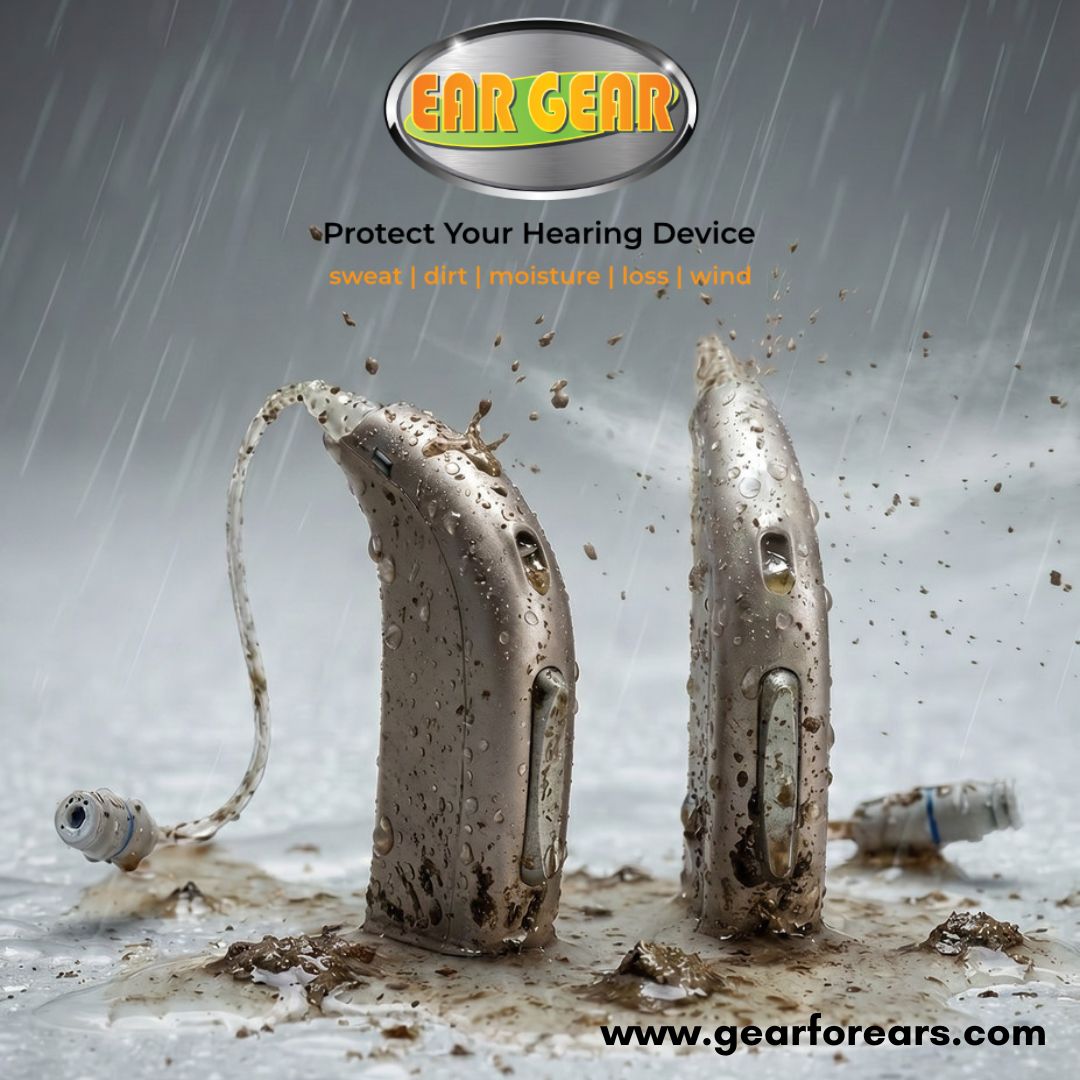
Protect your hearing device from dirt, sweat, moisture, loss and wind.
Your hearing aids are one of the most expensive things you wear every single day. A prescription pair averages around $2,694, with prices ranging from $20 for basic over-the-counter models to more than $8,500 for premium devices (HearingTracker, 2026). And yet, despite that price tag, most of us have very little protection in place when something goes wrong — and sooner or later, something usually does.
A Big Investment, A Fragile Reality
In 2023, U.S. hearing aid sales topped 5 million units for the first time ever (HearingTracker). Globally, the World Health Organization expects nearly 2.5 billion people to be living with some level of hearing loss by 2050 (WHO). That is a lot of high-value electronics being worn through sweat, weather, and the everyday chaos of life.
Most prescription hearing aids are designed to last three to seven years, with five being a realistic average. Damage shortens that timeline dramatically — and replacement is rarely cheap.
The Top Threats to Your Hearing Devices
Moisture and sweat. This is the number one culprit. Perspiration on a walk, summer humidity, or condensation when you come in from the cold can all seep into microphone ports and corrode internal parts. In-the-canal styles are especially vulnerable.
Heat. A hearing aid left in a hot car, on a sunny windowsill, or near a heat vent can warp or crack in a single afternoon.
Earwax. Cerumen quietly clogs receivers and microphones. Without daily cleaning and fresh wax guards, sound quality fades and repair visits start adding up.
Pets. Dogs are drawn to the scent of earwax and the faint hum of electronics. At many clinics, pet damage is the top reason for loss claims — and a chewed device is almost always a total loss.
Accidents. Hearing aids end up in toilets, washing machines, lawn clippings, and tissues tossed in the trash. It happens to nearly everyone eventually.
Repairs and Coverage Are Patchy
Repair bills typically range from $50 for basic maintenance to $800 for circuit board work, with urban clinics often charging more. Manufacturer warranties usually include one-time loss-and-damage coverage with a hefty deductible — so a single pet incident can wipe out your protection for the rest of the term. And only about 1 in 4 older adults with hearing loss in the U.S. actually use hearing aids, partly because most private insurance does not cover them (NIH / Keck Medicine).
Prevention Is the Real Win
The most effective protection is also the simplest: keep moisture, debris, and physical hazards away from your devices in the first place.
•Store your devices in a hard case or charging unit — never on a nightstand where pets can reach.
•Use a dehumidifier overnight to pull out moisture.
•Wear a moisture-wicking cover or protective sleeve like Ear Gear during exercise, yard work, or humid weather.
•Clean daily and replace wax guards on schedule.
•Enable the "find my hearing aid" feature in your companion app.
A small investment in protection today can save you thousands tomorrow — and keep you hearing the moments that matter.
To learn more about Hearing Device protection visit www.gearforears.com